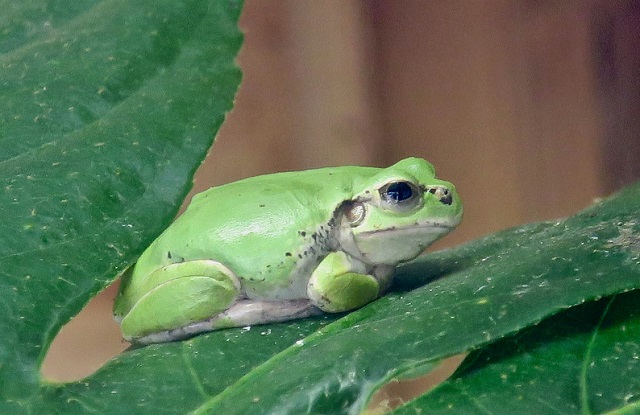
Scientists have made a unique discovery. A bacteria found in the gut of the Japanese tree frog (Dryophytes japonicus) has shown impressive results in fighting cancer in mice. According to the researchers, this bacteria completely eliminated tumors without any serious side effects. This research, published in the journal “Gut Microbes,” is raising new hopes for cancer patients.
How the discovery was made
Frogs, lizards, and other reptiles are rarely affected by cancer. Scientists at the Advanced Institute of Science and Technology in Japan thought that their gut bacteria might have anti-cancer properties. They selected 45 different bacteria from frogs, newts, and lizards. Nine of these showed positive effects against cancer, and the most effective was Ewingella americana, found in the gut of the Japanese frog.
The wonders of bacteria
- After giving a single dose, the tumors of the rats completely disappeared.
- After 30 days, new cancer cells were added, yet no tumors formed over the next month.
- This bacteria works in two ways: directly attacking the tumor and strengthening the body’s immune system.
- It also proved effective in oxygen-poor tumors, where standard chemotherapy is less effective.
Safety and comparison
- In mice, this bacteria was quickly cleared from the blood.
- More effective than chemotherapy drugs like doxorubicin.
- There was no long-term damage, and healthy organs were not affected.
- Scientists said that this bacteria could be a safe option for future clinical trials.
However, this discovery has only been conducted in mice. More testing is needed to see its effectiveness in humans. Scientists now want to test it on other types of cancer and are trying to enhance its effectiveness by combining it with other drugs. Safety is a major question, as Ewingella americana can also cause infections in humans.