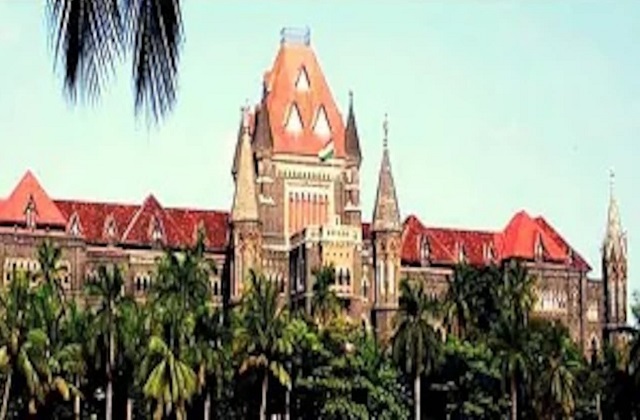
On 12 August 2025, a single bench of the Bombay High Court, headed by Justice Amit Borkar, denied bail to alleged Bangladeshi national Babu Abdul Rauf Sardar. Taking this decision, the court said that mere possession of Aadhaar card, PAN card or voter ID does not make a person an Indian citizen. These documents are for identification or services, but do not override the legal requirements of the Citizenship Act, 1955.
Importance of Citizenship Act
The court emphasized that the Citizenship Act, 1955 is the main governing law on all questions of citizenship in India—it determines who can become a citizen, how citizenship can be acquired and under what circumstances it can be lost. It is for this reason that relying solely on cross-identification documents—provided without checking the reliability of the process of obtaining them—cannot be considered reasonable.
Sensitivity of the case—possibility of illegal entry and fraud
The prosecution alleged that Sardar entered India without a valid passport or travel documents and obtained Indian identity documents including Aadhaar, PAN, voter ID and passport. The court also said that this kind of fraud made it clear that he could have made more false identities in the future. Bangladeshi birth certificates of him and his mother were also recovered in digital form from Sardar’s phone, which further strengthens the possibility of his foreign identity.
The verification process is ongoing
The verification of the authenticity of Sardar’s documents by UIDAI and other concerned departments is still going on. At this stage, the court clarified that whether the documents are true or false will be decided in the course of the trial.
Fear of court—the risk of absconding, destroying evidence or creating new documents
The court held that if bail is granted at this stage, the accused may leave the place, destroy evidence or hide his identity by creating new false documents. Therefore, the decision to deny bail was justified in view of extradition and protection of justice.